







Search Results for: cold drip pot usage

A Guide to Choosing Beans for Cold Brew Coffee: A Comprehensive Analysis from Equipment Usage to Four Flavor Profiles of Bean Lists
Cold brew coffee, through its low-temperature slow extraction method, presents a rich yet non-bitter unique taste, and has gained increasing favor among coffee enthusiasts in recent years. But exactly what beans should be used to make cold brew? And how should the equipment be operated correctly? Front Street Coffee, drawing on its store practice experience, starts with the four-part structure of the cold brew pot and shares in detail key parameters such as grind size, coffee-to-water ratio, and drip flow rate, and according to four major categories—tropical fruit fermented type, refreshing clean type, sweet and delicious type, and flavor blend type—recommends a list of coffee beans suitable for cold brew one by one, helping everyone find their own cup of refreshment in the hot summer. [more…]
A Detailed Guide to Cold Brew Coffee Making: From Equipment Structure to Coffee Bean Selection, Master Cold Brew Techniques at Once
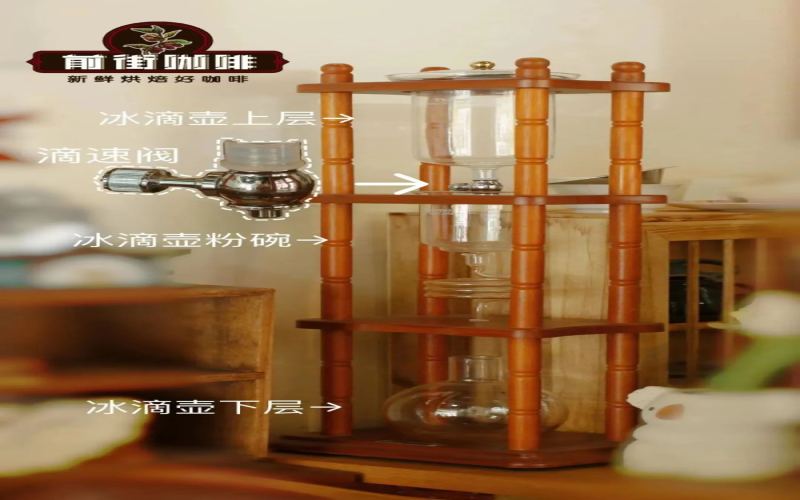
The ice drip pot has a unique shape, and its stacked layers often make people mistakenly think they have walked into a laboratory. Many customers who come to Front Street are curious about this set of equipment and want to replicate the store's signature ice drip at home. This article will systematically explain the structure and usage of the ice drip coffee pot, including key parameters such as grind size setting, coffee-to-water ratio, and valve flow rate control, and will share a production example using Costa Rica Mozart coffee beans from the Front Street store. In addition, the article also discusses the idea of choosing beans for ice drip coffee, offering specific coffee bean recommendations one by one according to four categories: tropical fruit fermented type, refreshing and clean type, sweet and mellow type, and flavor blend type, to help readers find the ice drip solution that best suits them. [more…]

The Complete Guide to Making Cold Brew Coffee: From Equipment Operation to Bean Selection and Flavor Pairing
Cold brew coffee, with its unique low-temperature slow extraction method, delivers a rich yet non-bitter taste, making it a beloved beverage in summer. This article begins with the principles of cold brew coffee, then details the structure and usage of a cold brew tower, and uses Costa Rica Mozart coffee as an example to explain key parameters such as grind size, coffee-to-water ratio, and flow rate control. At the same time, the article also recommends coffee beans suitable for making cold brew, categorized by flavor type, including four directions: tropical fruit fermented winey notes, clean and crisp, sweet and pleasant, and flavor blends, helping coffee enthusiasts make suitable choices based on personal taste and equipment conditions. [more…]
Ice Drip Coffee Maker Brand Recommendations and Usage Tips, Ice Drip Coffee Bean Selection and Price Analysis
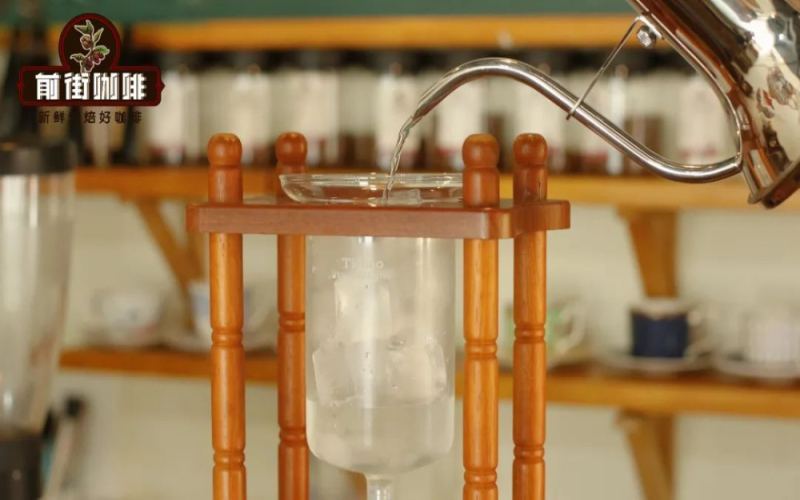
Cold brew coffee, as a low-temperature extraction coffee drink, is favored by many coffee lovers for its refreshing taste and rich flavor. But what details need attention when making a good cup of cold brew coffee? From bean selection, grind size, coffee-to-water ratio, to drip rate and storage method, every step affects the final flavor. This article will analyze the key points of making cold brew coffee in detail, recommend several Front Street Coffee beans suitable for cold brew, and answer common questions about cold brew coffee maker brands and prices. [more…]
A Beginner's Guide to Pour-Over Drip Coffee: Equipment Selection, Brewing Steps, and Key Parameters Such as Water Temperature and Grind Ratio
Pour-over drip coffee may seem simple—just a dripper, a hand gooseneck kettle, filter paper, and a cup are all you need—but once you actually start brewing, you realize there are countless variables at play. This article begins with the basic equipment, then gradually introduces the standard brewing process, the interrupt-pour technique, advanced setups, and the five major variables, along with specific water temperature and grind size recommendations for light, medium, and dark roasts. Whether you're a beginner just getting into pour-over or an enthusiast looking to refine your technique, you'll find practical parameter references here. The article also covers methods for adjusting variables to suit your taste, key points for cleaning and maintenance, and practical approaches for making flavored coffee bases and super-concentrated iced coffee, and recommends related products from Front Street Coffee. [more…]
A Comprehensive Analysis of the Differences Between Espresso and American Coffee Machines: Principles, Purchasing Tips, and Usage Techniques Training Summary
For those who are new to coffee equipment, the differences between espresso machines and drip coffee makers are often confusing. This article systematically breaks down the characteristics of the two types of machines, from how they work, extraction methods, and price ranges to buying advice, and offers reference opinions for both home and professional scenarios. At the same time, the article also compiles common troubleshooting for espresso machines, the steps for making milk foam, and key details in choosing a drip coffee maker such as materials, water outlet holes, and temperature control, helping coffee lovers make more suitable judgments when buying and using them. Content involving Front Street brand recommendations mentioned in the article will also be retained for readers' reference. [more…]
Cold Brew Coffee Making Guide: A Full Breakdown of Bean Selection, Extraction Parameters, and Flavor Profile
Cold brew coffee, with its unique low-temperature slow extraction method, presents a rich yet not bitter taste, making it an excellent choice for cooling off in summer. This article will start with the basic principles of cold brew coffee, provide a detailed introduction to the structure and use of a cold brew maker, and use Costa Rica Mozart coffee as an example to share key extraction parameters such as grind size, coffee-to-water ratio, and flow rate. At the same time, for different flavor preferences, it recommends four types of coffee beans—tropical fruit fermented wine aroma, refreshing and clean, sweet and delicious, and flavor blends—to help coffee lovers make an ideal cup of cold brew coffee at home. [more…]

Exploring the Origins and Flavor Characteristics of Cold Brew Coffee: Front Street Coffee Shares How to Choose the Right Coffee Beans for Cold Brew
Cold brew coffee, with its unique low-temperature slow extraction method, delivers a rich yet non-bitter taste and has gained increasing popularity among coffee enthusiasts in recent years. So where exactly does cold brew coffee come from? And what is its connection to cold-brewed coffee and Dutch coffee? Drawing on the store experience of Front Street Coffee, this article traces the historical origins and brewing principles of cold brew coffee, explains in detail the structure of a cold brew tower and how to use it, and, combining several Front Street Coffee beans, offers bean selection ideas for friends with different taste preferences across four major categories—tropical fruit fermented type, clean and refreshing type, sweet type, and blended type—to help everyone make a satisfying cup of cold brew coffee at home. [more…]
How to Choose Coffee Beans for Cold Brew: How Equipment, Parameters, and Bean Flavors Work Together
The same beans placed in different brewing devices will show noticeable changes in performance. Pour-over places more emphasis on aroma and clarity, espresso machines emphasize intensity and sweetness, while the moka pot requires balancing pressure, heat, and the coffee bed. Bean selection cannot be separated from the brewing device, and parameters must also be adjusted accordingly based on the beans' roast level. Cold brew or ice drip's low-temperature extraction will [more…]

Mocha Coffee Drinking Methods and Bean Selection, with a Discussion of Moka Pot Usage and the Three Meanings of "Mocha"
The word "Mocha" has three identities in the coffee world: the Yemeni port of Mocha, the mocha drink in Italian coffee, and the moka pot found in countless homes. These three seem unrelated, yet each has had an impact on coffee history that cannot be ignored. This time, Front Street Coffee will sort out the meaning of these three mochas one by one: from how the Yemeni port of Mocha in the fifteenth century made "Mocha coffee" synonymous with high-quality coffee, to how Italians created the espresso-based mocha coffee to replicate the chocolate flavor of Mocha beans, and then to the invention of the moka pot and techniques for using it. The article will also share the moka pot brewing steps, coffee-to-water ratio, grind size standards, and the Brazil Queen Estate coffee beans that Front Street recommends for pairing with the moka pot, helping you brew a rich and full-bodied cup of coffee at home. [more…]

French Press vs. Moka Pot: Which Brewer Suits You Better? Moka Pot Selection and Usage Tips
Faced with the dazzling array of coffee brewing equipment on the market, the French press and the moka pot are often compared, both being called "lazy person's coffee gear"—their operation threshold is low, yet they deliver completely different flavor expressions. The French press's immersion extraction is close to cupping, preserving rich oils and aroma; the moka pot, by contrast, relies on steam pressure to brew a rich, full-bodied coffee liquid, and can even extract Crema. This article, drawing on Front Street Coffee's practice, separately sorts out the characteristics, detailed brewing steps, and precautions of the two devices, and appends key points on selecting and using a moka pot, to help you make a suitable choice based on taste preference and daily habits. [more…]
Why is cold brew coffee priced higher? A breakdown of its cost structure and a guide to choosing single-origin beans for cold brew
On a scorching summer day, cold brew drip coffee becomes a best-selling item in many cafés, yet its price is often higher than an Americano or a latte. What exactly keeps cold brew drip coffee priced so high? This article breaks down the cost structure of cold brew drip coffee in detail from multiple dimensions, including the brewing process, equipment requirements, time costs, and raw material usage. At the same time, Front Street will also share how to choose the right single-origin coffee beans when making cold brew drip coffee, as well as the core flavor differences between cold brew drip and cold brew, helping coffee lovers gain a more comprehensive understanding of this craftsmanship that takes over ten hours to complete. [more…]
The Complete Guide to Cold Brew Coffee: Origins, Principles, Caffeine Truth, and Bean Pairings
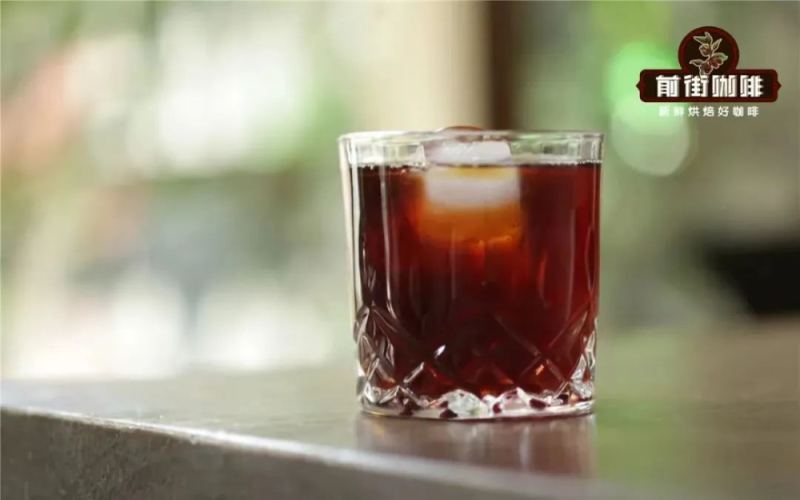
On a hot summer day, cold brew coffee becomes the favorite of many coffee lovers. But when it comes to its origins, brewing principles, caffeine content, and which beans to use, there are all kinds of claims floating around. From the perspective of Front Street Coffee, this article sorts out the historical thread of cold brew coffee, from the Dutch sailor legend to its actual invention in Kyoto, Japan, explains in detail the water-to-coffee ratio, filter paper usage, pre-infusion, and fermentation steps in cold brew equipment operation, and responds to the controversy over whether cold brew coffee's caffeine content is actually high or low. Finally, it offers two cold brew blend recipes commonly used by Front Street Coffee, to help you make cold brew coffee with full aroma and a smooth mouthfeel at home. [more…]
Cold Brew Coffee Bean Selection Guide: A Full Breakdown of Coffee-to-Water Ratio, Extraction Time, and Flavor Types
Cold brew coffee, with its unique low-temperature slow extraction method, presents a rich yet not bitter taste, and has become increasingly favored by coffee lovers in recent years. But what coffee beans should you choose? How do you manage the coffee-to-water ratio? Roughly how many milliliters does one serving yield? Starting from Front Street Coffee's hands-on experience, this article sorts out the historical origins, equipment structure, and brewing parameters of cold brew coffee, and recommends coffee beans suitable for making cold brew according to flavor types, including Front Street Mozart, Sidra, Little Tomato, Golden Mandheling, and others, helping you make a refreshing and sweet cup of cold brew coffee at home. [more…]
How can the flavor of cold brew coffee be described accurately? A full analysis of its mellow, neither sour nor astringent taste, plus brewing and storage
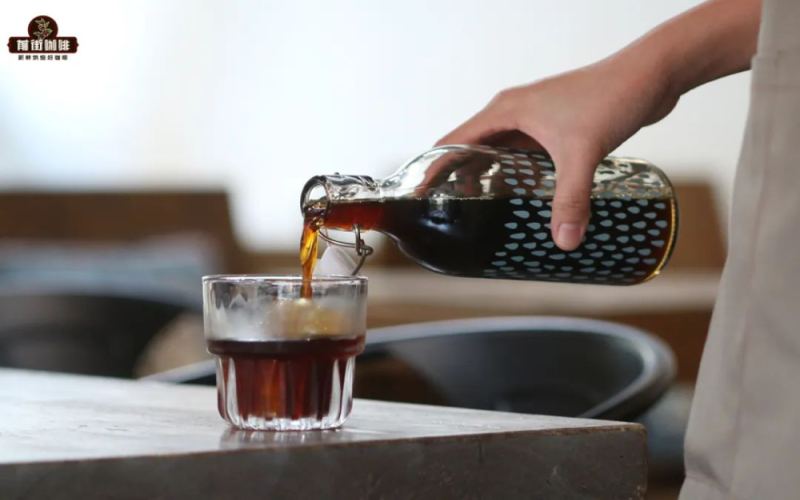
The reason ice drip coffee is favored by so many enthusiasts lies in its smooth entry, rich and full body, balanced acidity and sweetness without bitterness or astringency. If coffee beans with fermented notes are chosen, it can also present a rich aroma similar to chilled fruit wine. Starting from the production standards of Front Street stores, this article fully sorts out the ice drip coffee making process, including equipment selection, grind size control, dripping flow rate and coffee-to-water ratio, and further explains the key role of cold brew fermentation in enhancing flavor, as well as the tasting period and bean pairing suggestions. Whether you are a beginner who has just gotten an ice drip pot or an advanced player who wants to refine the flavor, you can find practical operational points and bases for flavor judgment here. [more…]

Front Street Coffee Complete Knowledge Collection: A Coffee Learning Guide and Practical Manual from Beginner to Advanced
The Front Street official account has insisted on daily updates for many years, accumulating a massive amount of educational content covering every area of coffee. From the origins of coffee beans to the birth of a finished cup of coffee, from basic terminology to advanced brewing techniques, the articles have touched on virtually every question a coffee lover might encounter. This article reorganizes that content along a learning path, dividing it into sections such as must-reads for beginners, tasting methods, brewing techniques, advanced improvement, and Front Street's random musings on industry topics, making it easy for readers to quickly locate the knowledge they need based on their own stage, and also convenient for systematically filling in gaps. Whether you are a novice just getting into coffee or an advanced player hoping to hone your skills, you can find corresponding content here. [more…]
A Complete Guide to Cold Brew Coffee: From Dutch Origins to Bean Selection and Practical Parameters
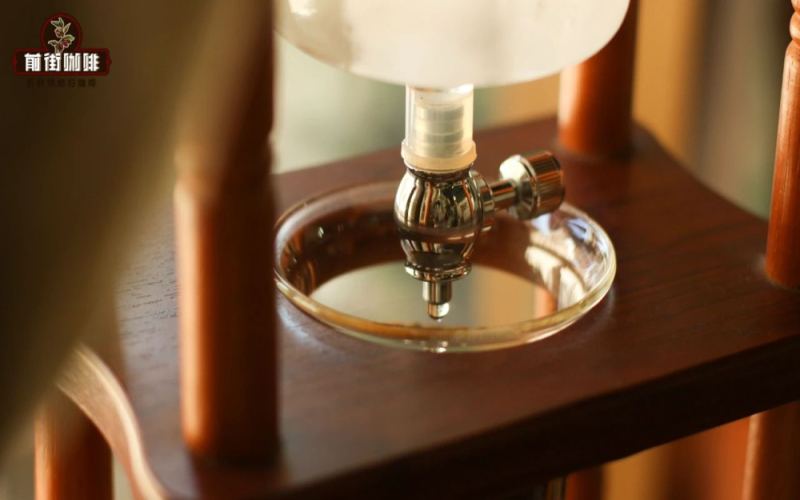
Cold brew coffee, with its rich yet non-bitter taste brought about by low-temperature slow extraction, has become a highly popular coffee category in summer. This article begins with the definition and historical origins of cold brew coffee, sorts out the relationship between Dutch coffee, iced brewed coffee, and cold brew coffee, then breaks down in detail the structure and usage of the cold brew pot, and using Costa Rica Mozart coffee as an example, provides key parameters such as grind size, coffee-to-water ratio, and drip rate. The article also shares Front Street Coffee's specific recommendations for bean selection across four major categories—tropical fruit fermented type, crisp and clean type, sweet and delicious type, and flavor blend type—to help coffee enthusiasts make a cup of outstanding cold brew coffee at home. [more…]
Recommendations for Several Coffee Beans Suitable for Cold Brew and Ice Drip: Balancing Budget and Drinking Frequency
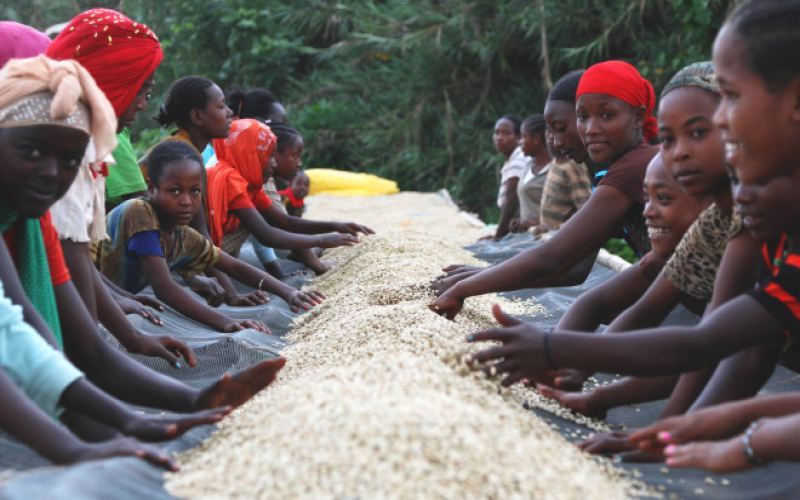
Coffee beans suitable for cold brew and ice drip will show different facets depending on the brewing method. When buying beans for daily use, you need to consider how quickly you'll drink them, how much to buy at a time, and whether you mainly make black coffee or milk coffee at home. Pour-over easily brings out the aroma, a coffee machine emphasizes intensity, and a moka pot amplifies the full-bodied richness. When choosing beans, you should first determine your own [more…]
The Dutch Origins and Japanese Refinement of Cold Brew Coffee: A Full Analysis from Historical Roots to Brewing Parameters
Did ice drip coffee really not originate in the Netherlands? Many friends who come to Front Street Coffee are drawn in by the sight of ice water slowly dripping through an ice drip brewer, and become curious about exactly what kind of coffee this is. Ice drip coffee requires a long, slow extraction of 6 to 8 hours, so its output is limited and it is often in short supply. This article will begin with the historical origins of ice drip coffee, clarify the relationship between Dutch coffee, ice drip coffee, and cold brew coffee, then introduce in detail the structure and use of the ice drip brewer, and share specific brewing parameters using Costa Rica Mozart coffee as an example. Finally, Front Street will also recommend coffee beans suitable for making ice drip coffee according to four directions—tropical fruit fermented type, light and clean type, sweet and delicious type, and flavor blend type—to help everyone make a cup of rich yet not bitter ice drip coffee at home. [more…]
The Complete Guide to Cold Brew Coffee: From Origins and Principles to Equipment Operation and Bean Selection Advice
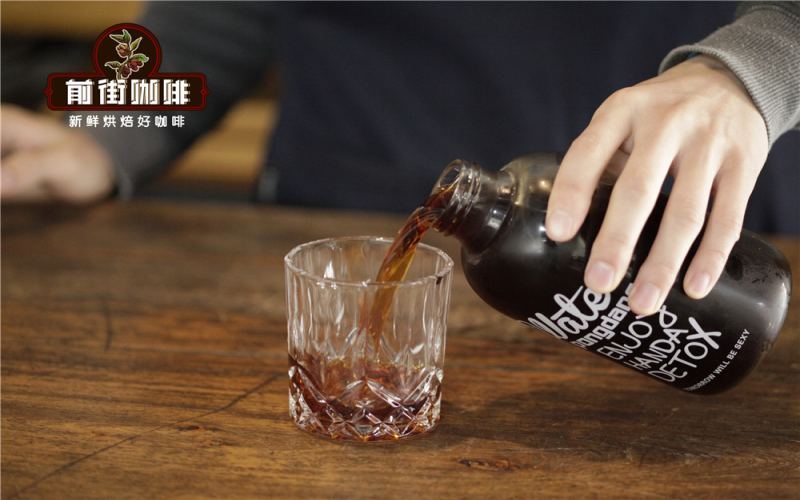
Cold brew drip coffee is a coffee-making method that uses low-temperature ice water for slow drip extraction, forming a sharp contrast with the high-temperature rapid extraction of pour-over. This article systematically reviews the extraction principles, flavor characteristics, and historical origins of cold brew drip coffee, explains how it differs from the cold brew immersion method, and offers bean selection suggestions for different flavor preferences, including specific recommendations such as Front Street Mozart, Yirgacheffe, Kenya Little Tomato, Golden Mandheling, Queen's Estate, Lychee Orchid, and Gesha Village Red Label. At the same time, using actual parameters as examples, it explains step by step the structure of the cold brew drip tower, the coffee-to-water ratio, grind size, flow rate control, filter paper placement, and refrigerated fermentation, helping coffee enthusiasts reliably reproduce at home a cup of cold brew drip coffee with concentrated aroma and a rounded mouthfeel. [more…]